Plumbing Line Repair in Denver, CO
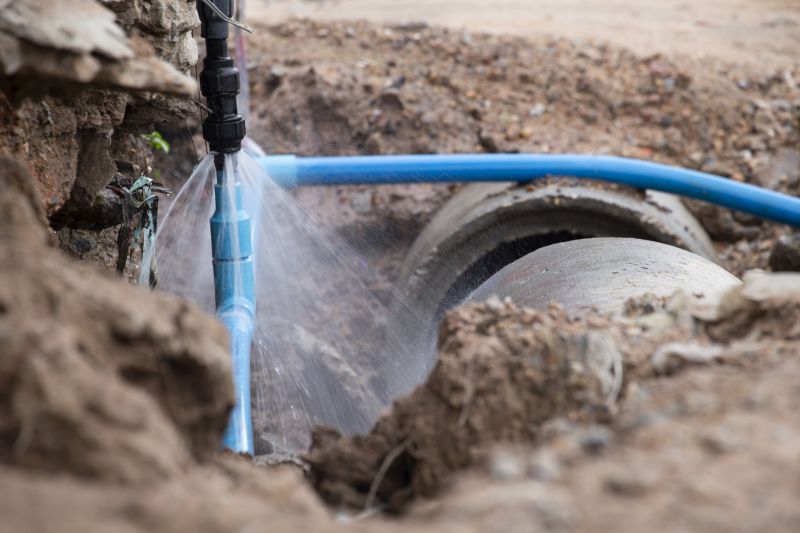
Plumbing line repair services address issues related to damaged, leaking, or broken pipes that form the main water supply and drainage systems within a property. These repairs can involve fixing or replacing sections of pipe caused by corrosion, tree root intrusion, freezing, or general wear and tear. Homeowners often request this service when experiencing persistent leaks, low water pressure, or unexplained water bills, as well as when visible damage or pipe corrosion is evident. Understanding the scope of the project, including the location of the affected lines and the type of piping involved, helps property owners prepare for the repair process and ensure the work is completed efficiently.
Before requesting plumbing line repair, property owners should consider the extent of the problem and whether it involves accessible or buried pipes. It is helpful to know if there are any existing leaks, signs of water damage, or unusual odors that indicate pipe issues. Clarifying the type of pipes in the property, such as copper, PVC, or cast iron, can influence repair options and costs. Additionally, understanding the potential need for excavation or pipe replacement can assist in planning for any disruptions and ensuring that the repair work aligns with the property's plumbing system.
Many property owners in Denver, CO look into Plumbing Line Repair for repairs, replacements, upgrades, and appearance-related improvements.
Signs Of Plumbing Line Issues
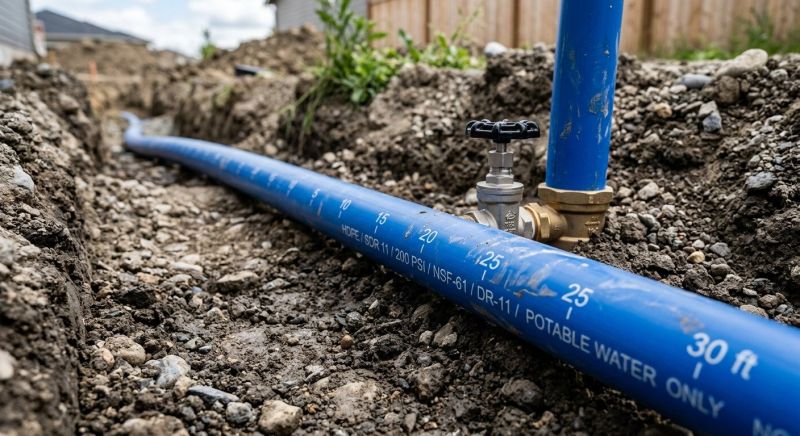
Leaking pipes, low water pressure, or strange odors may indicate a damaged line.
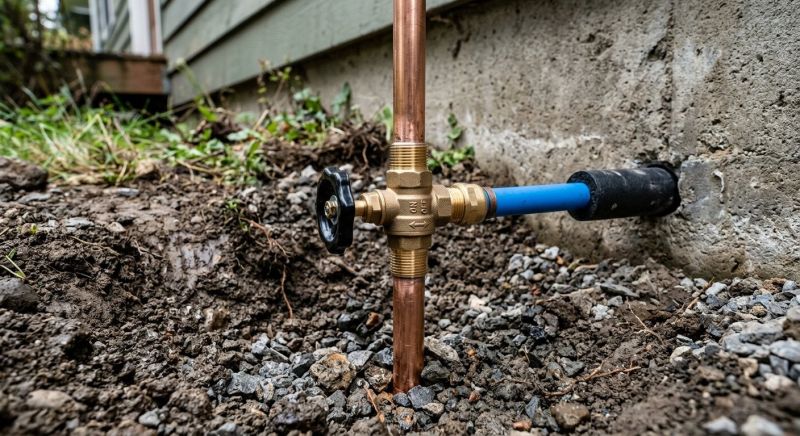
Common Repair Solutions
Repairs often involve replacing sections of pipe or sealing leaks to restore proper flow.
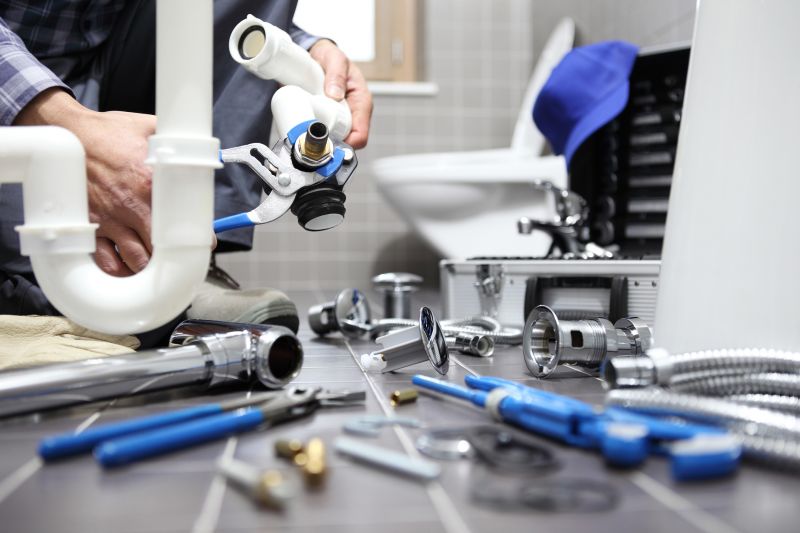
Preventive Maintenance Tips
Regular inspections and timely repairs can help avoid costly line replacements in denver homes.
Plumbing Line Repair in Denver, CO

Plumbing line repair services address issues related to damaged, leaking, or broken pipes that form the main water supply and drainage systems within a property. These repairs can involve fixing or replacing sections of pipe caused by corrosion, tree root intrusion, freezing, or general wear and tear. Homeowners often request this service when experiencing persistent leaks, low water pressure, or unexplained water bills, as well as when visible damage or pipe corrosion is evident. Understanding the scope of the project, including the location of the affected lines and the type of piping involved, helps property owners prepare for the repair process and ensure the work is completed efficiently.
Before requesting plumbing line repair, property owners should consider the extent of the problem and whether it involves accessible or buried pipes. It is helpful to know if there are any existing leaks, signs of water damage, or unusual odors that indicate pipe issues. Clarifying the type of pipes in the property, such as copper, PVC, or cast iron, can influence repair options and costs. Additionally, understanding the potential need for excavation or pipe replacement can assist in planning for any disruptions and ensuring that the repair work aligns with the property's plumbing system.
Many property owners in Denver, CO look into Plumbing Line Repair for repairs, replacements, upgrades, and appearance-related improvements.
Common Plumbing Line Repair Jobs
Leak detection and repair - pinpoint and fix hidden or visible plumbing leaks to prevent water damage.
Pipe replacement services - upgrade aging or damaged pipes to improve plumbing system reliability.
Clog removal and clearing - resolve stubborn blockages in drains and sewer lines for proper flow.
Fixture repairs and replacements - restore functionality to sinks, toilets, and faucets.
Burst pipe repair - address sudden pipe failures to prevent flooding and water damage.
Pipe insulation and protection - prevent freezing and reduce pipe deterioration in colder months.
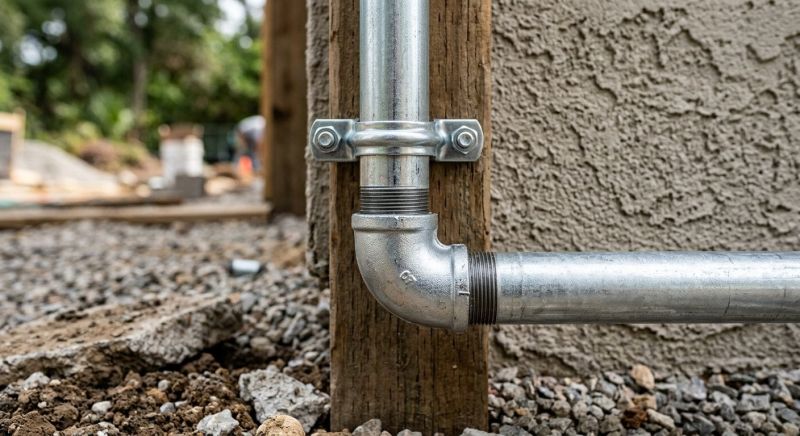
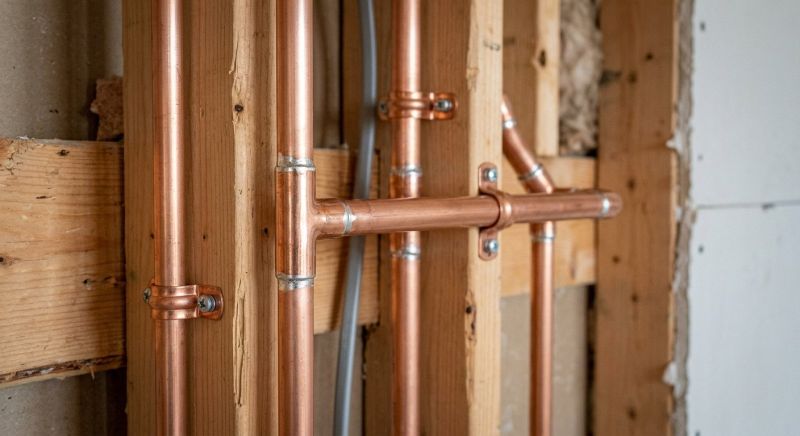
Plumbing Line Repair Questions
What are common signs of a plumbing line problem? Signs include slow drains, gurgling sounds, foul odors, or water pooling around fixtures, indicating potential blockages or leaks.
How do plumbing lines typically get damaged? Damage can occur from tree roots, corrosion, shifting soil, or improper installation, leading to leaks or blockages.
What types of plumbing line repairs are available? Repairs may involve pipe patching, replacing damaged sections, or installing new piping to restore proper flow.
Why is it important to address plumbing line issues promptly? Early attention prevents further damage, reduces water waste, and avoids costly repairs down the line.
Request Plumbing Line Repair in Denver, CO
Use the quote form on this page to share the basics of your project and request more information for the type of work you need.